
Avoiding the Common Early Recruiting Communication Mistakes
Getting an early start on connecting with your newer prospects is smart. Having to overcome some easy-to-fix communication mistakes isn't...

Scouting enough prospects? Check.
Got your first message out to your top targets? Check.
Approached them with the right message at the right time to maximize your chances of actually moving them from “mildly interested” to “engaged and communicating with you”? Maybe not so much.
The truth is, a lot of college coaches still trip-up their own recruiting chances with good recruits early in the process, simply because they make mistakes they don’t realize they’re making. And the thing is, the vast majority of today’s recruits almost never tell you where the process went sideways. They don’t spell out what felt weird, what sounded like a template you’d send to everyone, what came off as pressure, or what made them decide you weren’t worth responding to in the first place. They just go quiet, keep their options with other programs open, and move on to the next coach who makes the whole thing feel more normal.
What I’m saying is that your margin for error is thinner. Recruits are getting more communication than ever - and, their parents are more skeptical than ever. The transfer environment has changed how families think about “security” and “fit.” NIL talk is everywhere, even when (technically) nobody is supposed to be selling it. Add-in the constant roster movement, constant comparison shopping, and the fact that athletes can sniff out formal, mass mail communication instantly, and those early messages matter way more than they did a few years ago.
With that in mind, we find that there are five common but preventable communication mistakes coaches still continue to make early on that can immediately, and drastically, lessen your chances of ever being able to reconnect and move the process forward.
Important note: In a recruiting situation where your sport has an incredibly short recruiting cycle, or when you are recruiting a Transfer Portal prospects, some of these warnings get pushed to the side because of the need for speed. That said, just understand that your process still feels the same as a regular recruiting prospect, so tread carefully and keep what we’re about to go over in mind.
1. Delay the need for them to fill things out for you
The first mistake we see right away is asking your prospect to fill out an online questionnaire, or any other recruiting form, in your first message to them. On a scale of 1 to 10, how much do you enjoy filling out online forms of any kind, Coach?
I thought so.
With that in mind, multiply that lack of excitement for a student-athlete who doesn’t necessarily know you yet and is already overwhelmed with school, training, social life, and a phone full of coaches who are now putting pressure on them to engage in the more formal aspects of the recruiting process. It’s not motivating early on, and now it carries an extra problem: It feels like the kind of message that could have been sent to 500 other recruits. Plus, if they don’t complete it right away like you asked, many recruits tell us it feels like they can’t talk to you again until they do complete the task you assigned them. But they don’t want to complete it, so they don’t talk.
Coaches see a “lack of interest,” when what actually happened is you asked a teenager to do homework for a stranger they aren’t sure they’re interested in yet. Build the basics of the relationship first, and then get to the forms once there’s a reason for them to do it.
2. Avoid the rush to talk to them about getting to campus
The second mistake we find happening all the time is talking about arranging a campus visit too early, either on the first phone call or in the first text message exchange. You have a process and a timeline you want them to follow. They, on the other hand, often think it’s odd that replying to a coach from a program they don’t know, at a school they may not know much about, would naturally mean they’re ready to spend a full day with you and your team on your campus. It’s a huge jump, and when it becomes one of the first things you discuss, it doesn’t feel like a normal process.
The modern version of this mistake is when a coach pushes for “the next step” before the recruit feels like there’s been any real reason given to take that step. The better move, we find, is to slow down and earn the visit by building a little relationship first. Give them a simple, low-friction next step that makes sense, like a short call, a quick exchange about what they see themselves wanting, or a clear explanation of how you see them fitting in with their team based on your early recruiting assessment. When the recruit feels like the progression is natural, the visit stops feeling like pressure and starts feeling like a the logical next step that they want for themselves, not what you want for them.
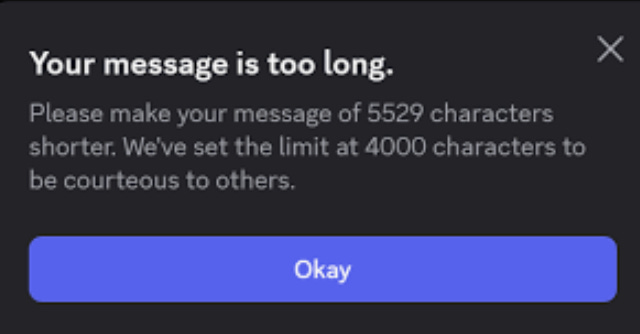
3. Ditch the long, super-informative first email, text or letter
If only there was a warning like this that popped-up when you accidentally constructed a first message that was in danger of slowing down the recruiting process before it even started! The headline here is that you need to stop writing a long, formal introduction to you and your program as your first contact message.
You have your degree, Coach. We get it. You’ve learned to communicate like an adult and like a professional. The problem is, for most recruits, those first messages are so formal that they don’t feel like a real person wrote them, and they instantly read like mass mail. That problem is amplified now because recruits are seeing more polished templates than ever, and a lot of them all sound the same. They can sense when your message could have been sent to anyone, and what they’re looking for as a recruit is a singular reason why you see them as being valuable to your program as an individual.
Their rule for communicating, according to the 20+ years of focus group testing that our strategy for our clients relies on, is still simple: The shorter and more direct your message is, the more real it feels, and the more likely they are to reply. If you want to increase responses, stop trying to impress them with length and start earning their attention with specificity. Mention one real observation about them, connect it to something real about you, and ask one easy question they can answer without thinking too hard. That’s the formula for getting better traction early with a prospect.
4. Avoiding the parent connection early will cost you
Another significant error is not making parents part of your first-contact strategy. Our research consistently shows that prospects rely heavily on their parents to help them determine which programs and coaches to take seriously and which ones to politely ignore.
When parents aren’t hearing from you as their son or daughter’s potential college coach early, they tend to fill in the blanks on their own. Sometimes they decide you must not be serious. Sometimes they define your school is a backup option. Whatever they decide as a result of you not connecting with them at the same time you do with their student-athlete, they will pass that opinion along to their son or daughter, and you may never even know it happened. What you need to understand is that every parent has a series of recruiting pain points that they need to get addressed early-on in their mind, and you need to participate in that process, Coach.
Early in the process, parents are usually more open than they will be later, because they are still gathering information and trying to understand what a “good fit” looks like. That is the window where you can help shape how they view your program - and if you ignore that window, you are letting someone else shape it for you.
5. Avoiding an early definition of your timeline is a huge error
Last but 100% for certain not least, failing to outline your timeline and when the recruiting process will end for you and your program.
Notice I didn’t say “when they need to make a decision” or “what their deadline is.” Coaches who frame it that way create unnecessary friction early, because it makes the recruit feel like the coach is trying to corner them before they’re ready. What recruits respond to better is when you give them clarity about how your process works and what you can realistically do with roster space and scholarship planning. That matters even more today, because families understand roster movement and the portal, and they know “we’ll see” can quietly turn into “we moved on” without warning. When you don’t explain your timeline, you leave a hole in the most important part of the story you want them to buy into: how the story ends. That open-ended feeling invites delay tactics, half-commitments, and the endless “I just need a little more time” loop. The coaches who explain their process early, calmly, and clearly get to the truth faster and waste less time.
The good news? Mistakes can usually be corrected over the course of your recruiting relationship, but it first takes being aware of what those mistakes are. These are five of the most common, and the sooner you begin approaching your initial messaging differently, the sooner you’ll see deeper engagement from your prospects and their parents.
If you want the fastest practical takeaway, it’s this: Your first contact message has one job, and it is not to connect with them and start the foundation of a relationship…it’s not to impress them, and not to move them to a big commitment in your first conversation. Its job is to earn the next response and make the next step feel normal. Coaches who do that consistently do not struggle to get recruits talking. Coaches who don’t end up blaming the recruit for being “unresponsive,” when the real issue was that the first step didn’t feel worth taking.